Education communities in Latin America and the Caribbean face significant challenges
Three in four 15-year-olds are unable to demonstrate foundational math skills; more than one in two do not read at grade level.1
[Many] teachers graduate without the evidence-based skills and practice they need to excel in classrooms [and frequently] do not master the basic knowledge of their subject.2
Though integration of environmental issues has increased, most teachers aren’t prepared to implement the environment-related education they are asked to teach.3
Students with at least a base proficiency in science are almost three times more likely to gather the pro-environmental attitudes defining them as environmentally enthusiastic, compared to low performer students.4
- OECD. (2023). PISA 2022 results: Vol. 1. The state of learning and equity in education. OECD Publishing. https://doi.org/10.1787/53f23881-en
- Organization of American States Inter-American Collaboratory on the Teaching Profession. (2014). Retos del desarrollo profesional docente en América Latina. Tendencias globales. Desafíos regionales. [Challenges of teacher professional development in Latin America. Global trends. Regional challenges.]. (M. Gajardo, Author). OAS/COTEP. https://www.oas.org/cotep/ GetAttach.aspx?lang=en tId=106 & aid=206
- UNESCO. (2021). Learn for our planet: A global review of how environmental issues are integrated in education. https://unesdoc.unesco.org/ark:/48223/pf0000377362
- OECD. (n.d.). PISA 2018: Are students ready to take on environmental challenges? Education GPS. Retrieved December 21, 2024, from https://tinyurl.com/25t77s4s
The EcoEducate Response
EcoEducate transforms education in ecologically valuable and fragile islands and coastal areas of Latin America by bridging learning to local contexts.
We work with educators to implement innovative, experiential strategies to equip students in developing the knowledge, skills, and mindsets to build a resilient and sustainable future.
This approach is widely known as Education for Sustainability - an approach that helps students acquire the knowledge, skills, attitudes, and values necessary to shape a sustainable future (UNESCO, 2014).
We envision a growing, international network of school communities where dedicated educators collaborate to inspire students through transformative education, deeply rooted in both local and global realities, preparing them to become leaders in Sustainability. These communities will serve as showcases of best practices in action for scaling education for sustainability on regional and national scales.
Our Approach
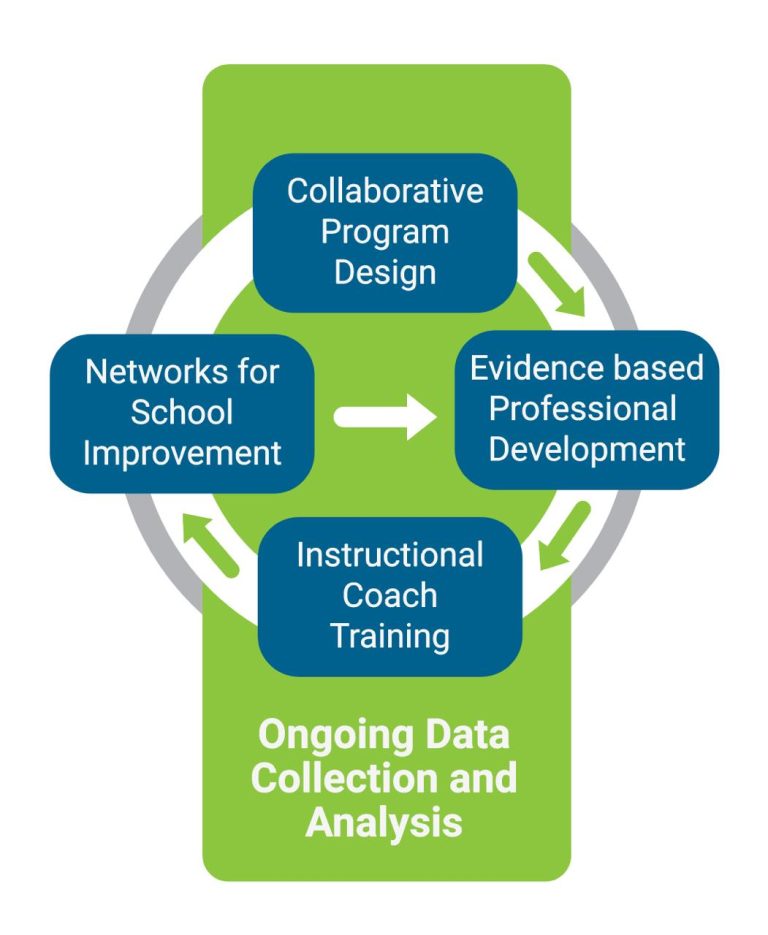
Collaborative Program Design
We begin with a comprehensive “listening phase” to learn about the educational needs and opportunities where we work and then collaboratively design professional development programs with local stakeholders.
Evidence-based Professional Development
Our programs embrace what research shows works in terms of content, duration, and delivery of impactful teacher professional development.
Instructional Coach Training
We identify educators with the skills, personality, and motivation to become instructional coaches who can design and deliver teacher professional development workshops and support their peers through classroom observations, feedback, modeling, and goal setting.
Networks for School Improvement (NSIs)
We help build collaborative networks of schools, educators, and organizations to perpetuate professional development and continually implement strategies to enhance educational quality and student outcomes.
Ongoing Data Collection and Analysis
Ongoing data collection and analysis are essential to optimize our work and for teachers and school leaders to work towards higher-quality education.
In addition to this teacher professional development, EcoEducate is building an online learning community designed to reach thousands of educators.
This platform will offer Spanish language training videos, lesson plans, and videos of teachers modeling proven practices with their students in Latin American classrooms. In addition to sharing our resources, EcoEducate and our partners will actively solicit, evaluate, and curate content created by other educators in the region. The platform will also support real-time and asynchronous professional development and teacher-to-teacher collaboration.
Where We Work
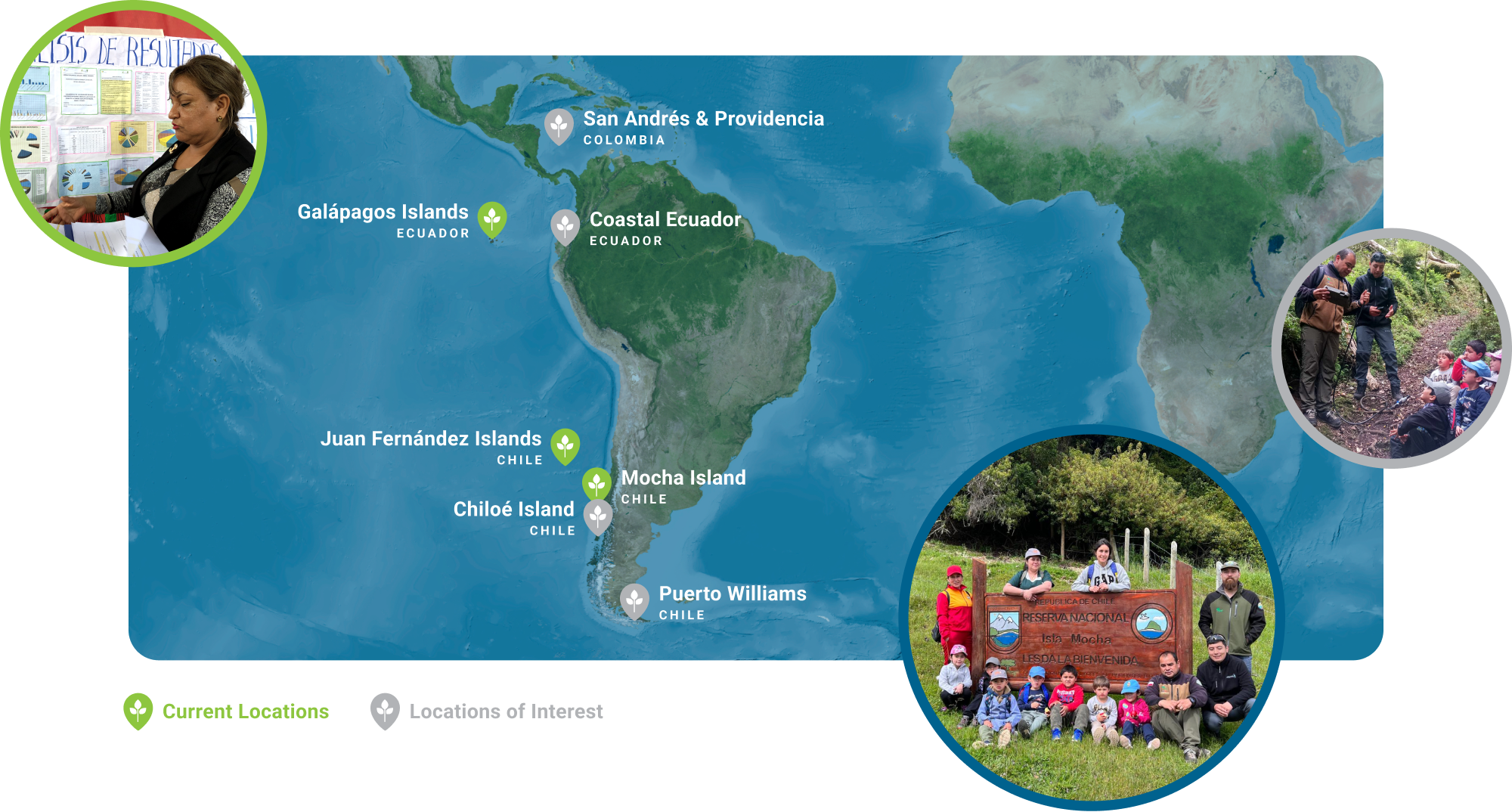
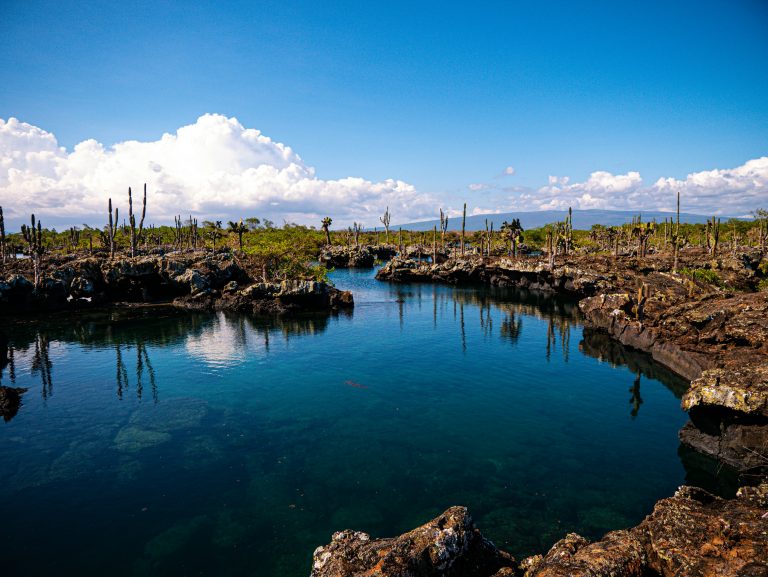
EcoEducate currently works in the Galapagos Islands in Ecuador, where we collaborate with the Fundación Scalesia on instructional coach training and the establishment of a Network for School Improvements.
We also provide technical assistance in Education for Sustainability to Oikonos, a US nonprofit, and Fundación 2020, a Chilean nonprofit providing professional development to teachers on Isla Mocha and Robinson Crusoe Island. We are exploring additional locations in Chile, Peru, Colombia, and Ecuador to expand our work.